Futures and Options Trading
Discover essential futures and options strategies for beginners and pros. Learn definitions, differences, and how to combine them for smart trading.
What Is Futures Trading?
Futures trading meaning describes a financial agreement where two parties agree to trade something at a specific price on a future date. It's like planning a trade in advance with a fixed price. These trades can involve different items like gold, oil, stocks, or cryptocurrencies. Futures trading serves two key purposes: protecting against price changes or earning from them. For instance, businesses use futures to lock in prices for their needed supplies, while traders aim to make money from market movements. Futures are available on standard trading platforms, making them easy for most investors to access.
Futures Trading Strategies
Futures trading is essential in global markets, where traders buy and sell contracts for future assets like commodities and currencies. Traders use various future trading strategies like trend following to manage risks to handle market ups and downs and potentially increase their success. Whether you're a novice or an experienced trader, the right strategy can improve your success in futures trading. Explore some essentials of futures trading strategies here.
Scalping Strategy - Make quick money by buying and selling very frequently within minutes or hours.
Breakout Trading Strategy - Buy or sell when prices move strongly above or below important price levels.
Going Long - Buy futures contracts to profit from rising prices over time.
Going Short - Sell futures contracts to benefit from declining market prices.
What Is Options Trading?
Options trading meaning refers to a type of financial trading where investors purchase or sell contracts that give them the right - but not the obligation - to trade stocks or other investments at a fixed price within a specific time period. It's like making a reservation to buy or sell something in the future, but you don't have to go through with it. There are two basic types of options: calls and puts. With a call option, you get the right to buy something at a set price. With a put option, you get the right to sell at a set price. Traders use options in different ways - to protect their money from losses, make money when prices go up or down, or make bigger profits with a smaller investment.
Options Trading Strategies
Options trading is more than buying or selling contracts. It's about matching strategies to your goals. Some traders seek quick profits from market fluctuations, while others ride longer market trends or use options to shield their portfolios from risk. You should find an options strategy that is designed to match your trading style, regardless of your objective. Below, you'll find some effective options selling and buying trading strategies that can help you deal with uncertain markets and improve your trading skills.
Call Options - Rights to buy at a fixed price by a set date, profiting from price increases.
Put Options - Rights to sell at a fixed price by a set date, profiting from price decreases.
Protective Put - Buying put options to protect owned assets from value drops.
Covered Call - Selling call options on owned assets to earn premiums (fee).
Straddle Strategy - Buying both call and put options at the same strike price, profiting from large price moves.
Butterfly Spread - Using multiple options to profit when prices stay near strike price.
Futures and Options Trading
Futures and options trading are both ways to trade assets at agreed prices in advance, but they're quite different tools. Understanding these differences is crucial for choosing the right strategy to match trading goals.
In Short:
Futures = Must buy/sell later at set price (more risk, less flexibility).
Options = Can choose to buy/sell later at set price (less risk, more flexibility).
Advantages and Disadvantages of Futures and Options Trading
The ever-changing nature of the foreign currency market creates situations that are both positive and negative. While there are many attractive aspects to foreign currency trading, it is important to be aware of the following possible downsides:
Advantages of Futures and Options Trading
Risk Management
The ever-changing nature of the foreign currency market creates situations that are both positive and negative. While there are many attractive aspects to foreign currency trading, it is important to be aware of the following possible downsides:
Price Lock-In
Futures contracts enable traders to secure current price levels for future transactions. This feature is valuable for businesses that need to plan their costs ahead of time.
Lower Initial Investment
Futures and options trading requirements are significantly lower than direct stock investing. This benefit comes from the leverage structure, which only requires early deposits for futures or option premiums.
Profit Opportunities
Futures and options trading offer useful profit potential in both bullish and bearish markets. They offer higher returns on money when market predictions turn out to be correct.
Market Access
Through these futures and options contracts, the range of tradable assets is enormously wide, including markets from commodities like gold, silver, and oil to stocks and foreign exchange.
Disadvantages of Futures and Options Trading
Higher Risk
Making profits is possible, but losing money happens quickly too. Futures trading means completing the deal even when prices move unfavorably. Selling options may result in significant financial losses.
Complex Understanding Required
It's challenging to understand these trading tools. For safe trading, it is essential to understand basic concepts, specialized terminology, and pricing elements is necessary for safe trading. This trading needs proper knowledge of basic terms to prevent expensive mistakes.
Time Sensitivity
Futures and options come with expiry dates, and poor timing can result in options losing all value or being forced to make a futures trade at the wrong time.
Added Costs
Extra payments like fees and premiums are necessary for futures and options trading. Options lose their value if not used. For futures trading, maintaining enough money in accounts is essential to cover potential losses.
Leverage Risks
Controlling large investments with less money sounds attractive, but even small market changes can create large losses in trading accounts.
Latest Futures and Options Trading

SEBI New Rules for F&O Trading: Retail & Algo Shifts
Delta Hedging in Options Trading: Mechanics, Gamma & Costs

Bank Nifty Options Trading: A Beginner Strategy Guide
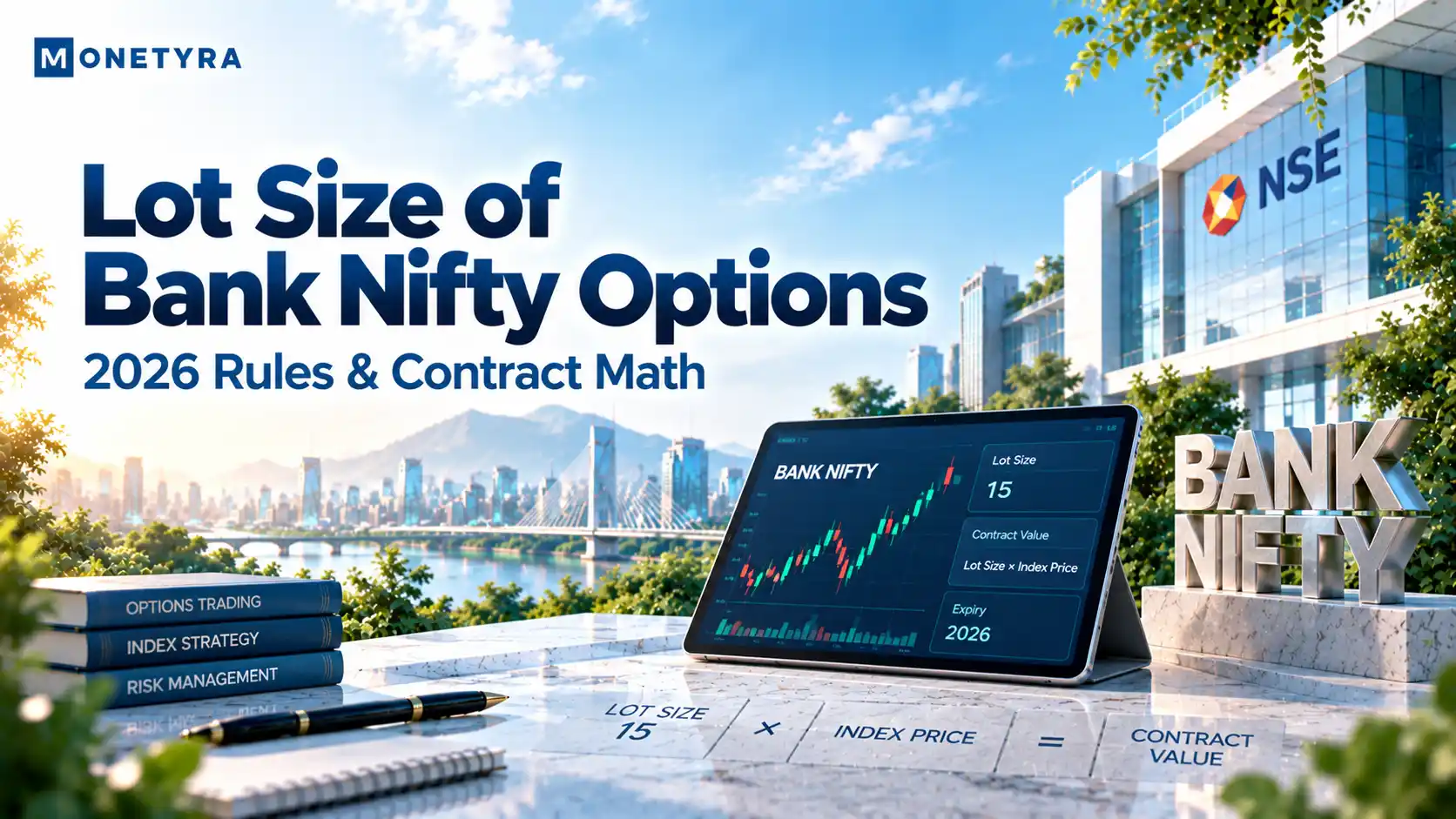
Lot Size of Bank Nifty Options: 2026 Rules & Contract Math
Delta Hedging Example: A Step-by-Step Practical Options Guide
Delta Hedging Strategy: Master Delta Neutral Portfolios
Theta Decay Calculator: How to Calculate Option Time Decay
Option Greeks Explained: Delta, Theta, Gamma, and Vega

Change in Open Interest Meaning: How to Read Market Signals
Showing 1 to 9 of 28 results