Monetyra Academy
Monetyra Academy offers financial market education through three pillars: stock, mutual funds, and forex—suitable for both beginners and experienced traders.


Stock Academy
Stocks, also known as shares or equity, represent partial ownership in a company. By purchasing stocks, you become a shareholder, which allows you to benefit from the company's growth and profits through dividends or capital appreciation.
If you're ready to master stock investing and navigate the market's complexities, explore our stock academy. This resource provides beginners and seasoned traders with essential knowledge for smarter investing.
Mutual Funds Academy
Mutual Funds involve pooling money from multiple investors to invest in a diversified portfolio of assets, like stocks and bonds. It offers expert management, diversification, and broad asset access, making it suitable for both new and experienced investors.
If you're looking to expand your knowledge of mutual funds and diversified portfolios, explore our mutual funds academy. This resource offers guidance on portfolio management to help you build a balanced and effective investment approach.


Forex Academy
Forex trading, or currency trading, allows investors to trade one currency for another. It involves buying and selling currencies with the goal of making a profit from fluctuations in exchange rates.
If you're interested in mastering the global currency markets, our forex academy is an effective place to begin. Forex academy provides the essential knowledge to succeed in the foreign exchange market to ensure you are well-prepared to navigate the fast-paced and highly liquid world of forex trading.
Latest Monetyra Academy

What Is Portfolio Diversification? Why It Is Important
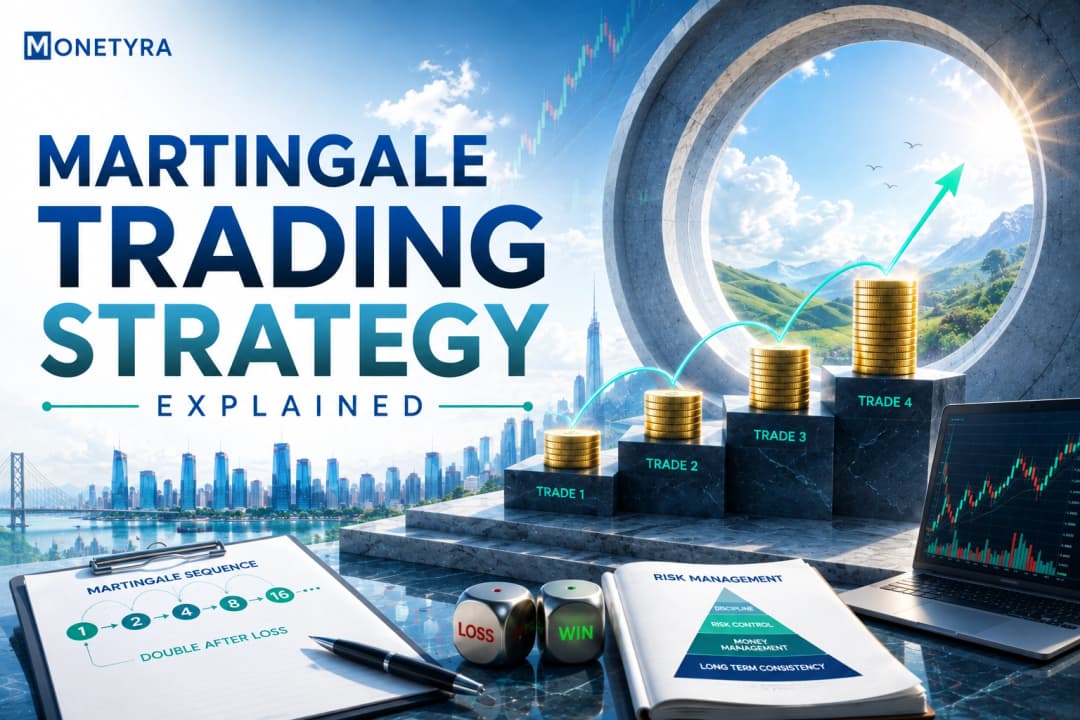
Martingale Strategy Explained: How It Works And Risks

How to Read Candle Chart in Stock Market

Margin Trading Facility India (MTF): Complete Guide

Best Trading Journal Options for Indian Traders

What Is a Trading Journal? Beginner’s Guide
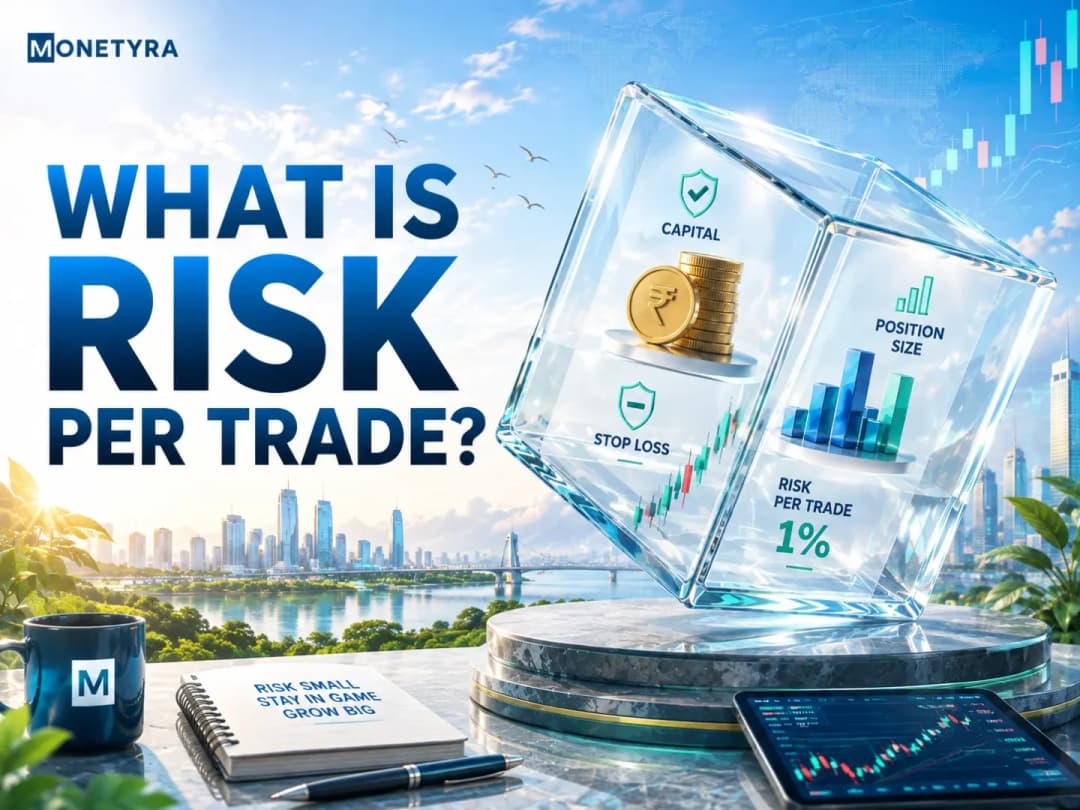
What Is Risk Per Trade? How to Size Your Position
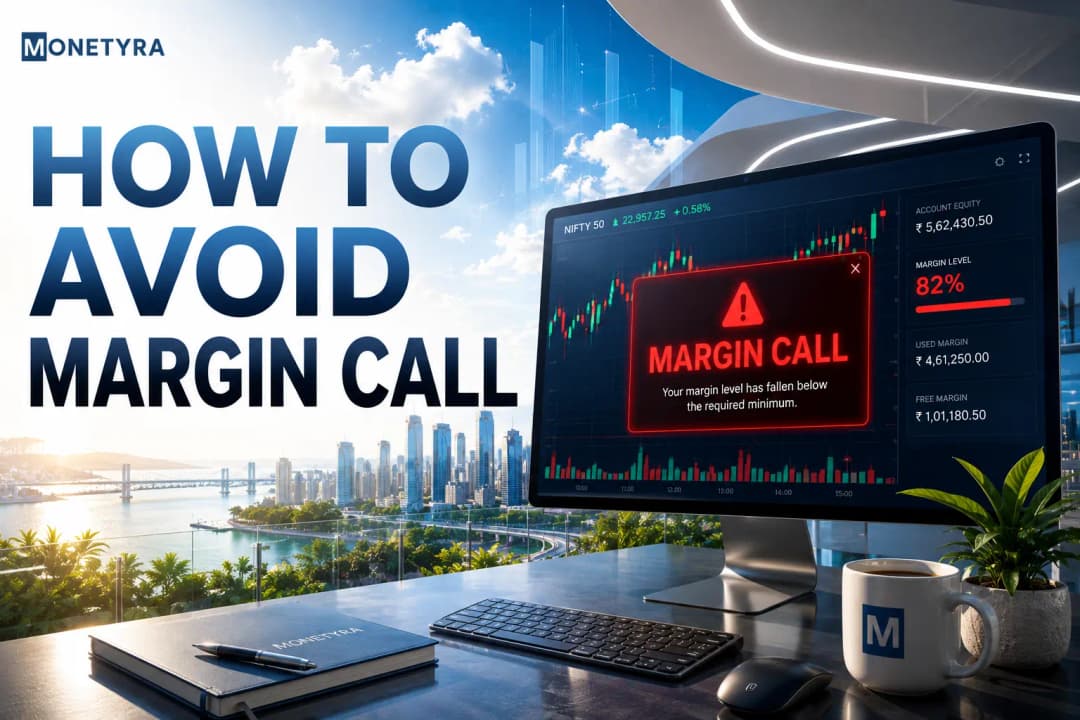
How to Avoid Margin Call: Risk Management Guide
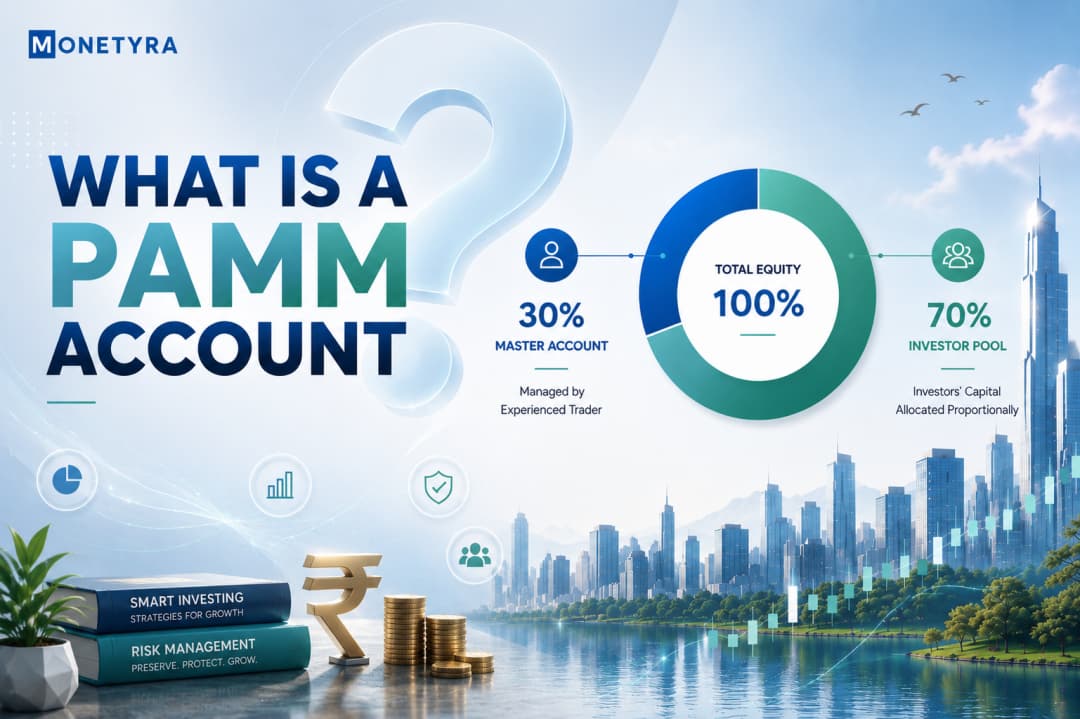
What Is A PAMM Account and How Does It Work?
Showing 55 to 63 of 186 results